

Introduction
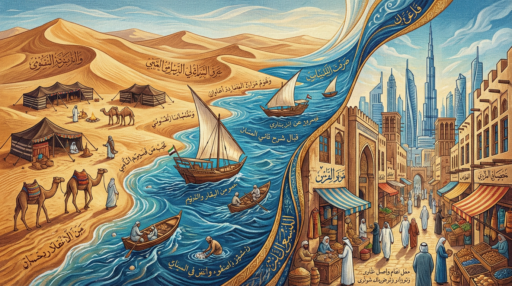
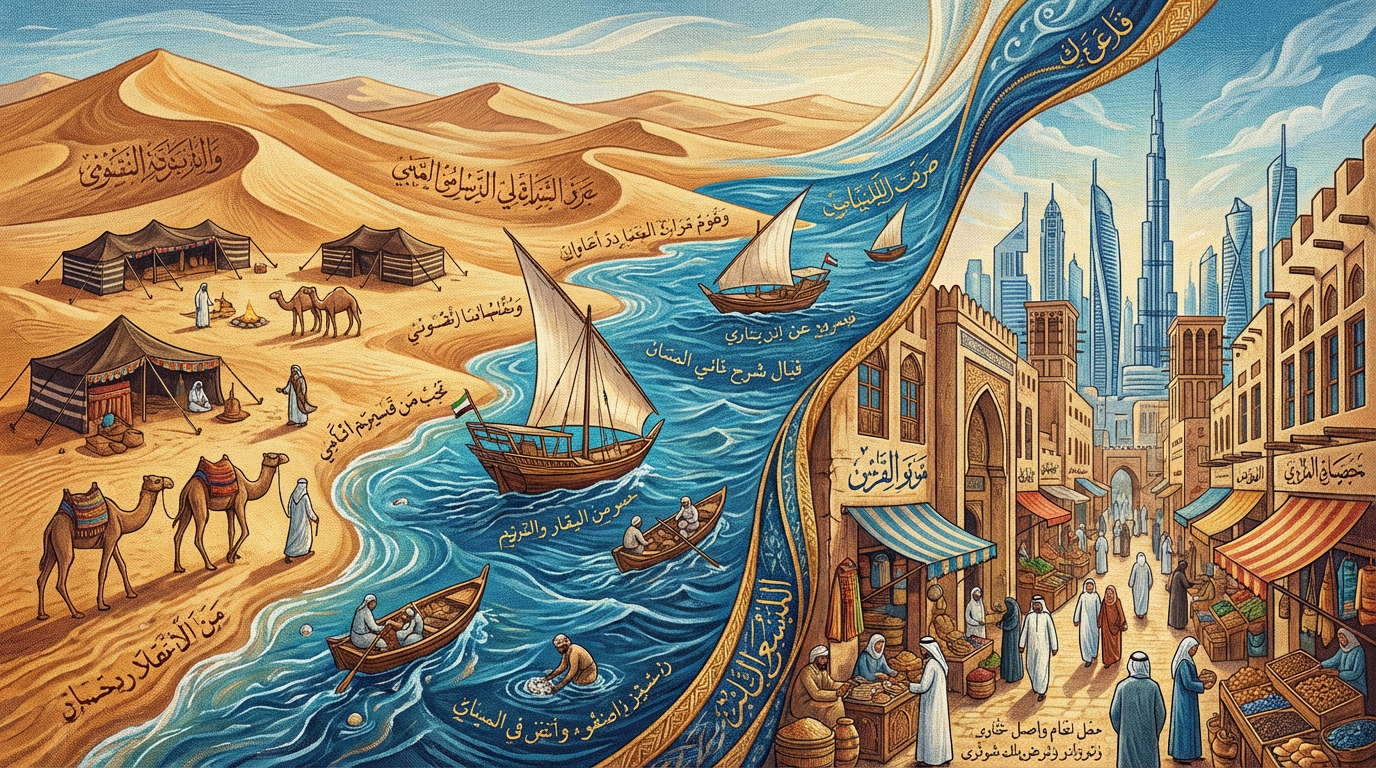
The Emirati dialect (Al Lahja Al Emiratia) is far more than a simple variation of Modern Standard Arabic; it is a rich linguistic tapestry that vividly narrates the story of the UAE’s past. Its vocabulary, expressions, and rhythms are colored by the harsh beauty of the desert, the vastness of the sea, and centuries of cross-cultural exchange. As the primary language of home and heart, it carries the echoes of Bedouin poetry, the commands of pearl diving captains, and the bustling negotiations of ancient souqs. To understand the Emirati dialect is to listen to the living, breathing archive of the nation’s soul.
The Bedouin Foundation: The Language of the Desert
The bedrock of the Emirati dialect is the language of the Bedouin (Badu) of the interior. This lexicon is perfectly adapted to the desert environment. Words exist to describe subtle variations in landscape that an outsider might not even perceive: sahra (flat desert), dahna (red sand desert), and sharq (dunes with sharp crests). The vocabulary for camels is exceptionally detailed, with specific terms for their ages, colors, and conditions. Phrases of hospitality, like the ubiquitous greeting “Marhaba” and the insistence to “Itfaddal” (please, go ahead), are deeply rooted in the Bedouin code of welcoming the stranger, reflecting a time when survival in the desert depended on mutual aid.
The Maritime Influence: The Lexicon of the Sea
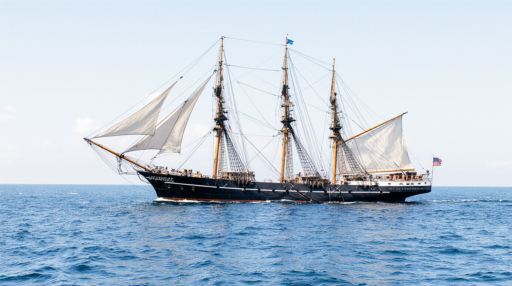
For the coastal communities (Hadhar), the sea was their livelihood, and this is profoundly reflected in the dialect. The pearling industry alone contributed a vast specialized vocabulary. A nakhuda was the captain, the ghaws was the diver, and the siyyib was the puller. Different types of pearls had specific names, like lulu and yamma. The dialect is also rich with nautical terms for winds, tides, and parts of the dhow, the wooden sailing vessel that was the engine of the economy. This maritime layer of language tells the story of a people whose lives and fortunes were intimately tied to the rhythms of the Arabian Gulf.
A History of Trade: Linguistic Borrowings and Influences
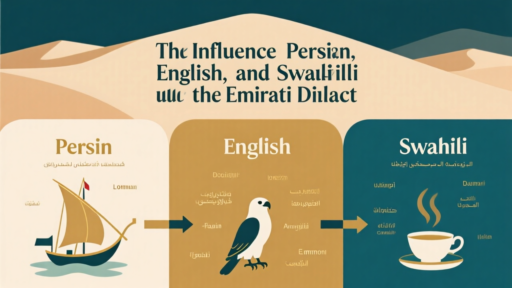
The UAE’s position as a historic crossroads is etched into its dialect. Centuries of trade with Persia, India, and East Africa led to the adoption of numerous loanwords. From Farsi (Persian), words like dallah (coffee pot) and menjel (winnowing basket) were incorporated. From Hindi and other Indian languages, terms like jooti (a type of shoe) and banyan (a merchant) entered the lexicon. Swahili words from East Africa, such as sufra (tablecloth) and kasha (cupboard), also found a home. This linguistic borrowing is not a sign of weakness but a testament to the UAE’s long-standing cosmopolitanism and its adaptive, mercantile spirit.
Modern Influences and the Challenge of Preservation
In the contemporary era, the Emirati dialect faces new influences, primarily from English. Words like “computer,” “mobile,” and “shopping” are commonly used. While this evolution is natural, there is a growing consciousness about preserving the unique Emirati linguistic identity. The widespread use of English in business and education, coupled with the fact that Emiratis are a minority in their own country, has created a need for deliberate preservation efforts. Families and cultural institutions are now emphasizing the importance of speaking the dialect at home to ensure it is passed on to the next generation.
Conclusion: A Voice of Identity and Resilience
The Emirati dialect is a powerful marker of identity in a globalized world. It is a language that encapsulates a specific history and worldview, one that values community, resilience, and a deep connection to a unique environment. Its words are not just sounds; they are vessels of memory, carrying the wisdom of the desert, the salt of the sea, and the spirit of the souq. To hear the Emirati dialect is to hear the story of the nation itself—a story of a people who have skillfully navigated the sands, the seas, and the complexities of history, all while maintaining a distinct and vibrant voice.